
← All sectors / The AI transformation
057 · Battery recycling & urban mining
Mining the material already above ground
Curve position
Binding constraint
Feedstock volume, which depends on retirement rates nobody controls.
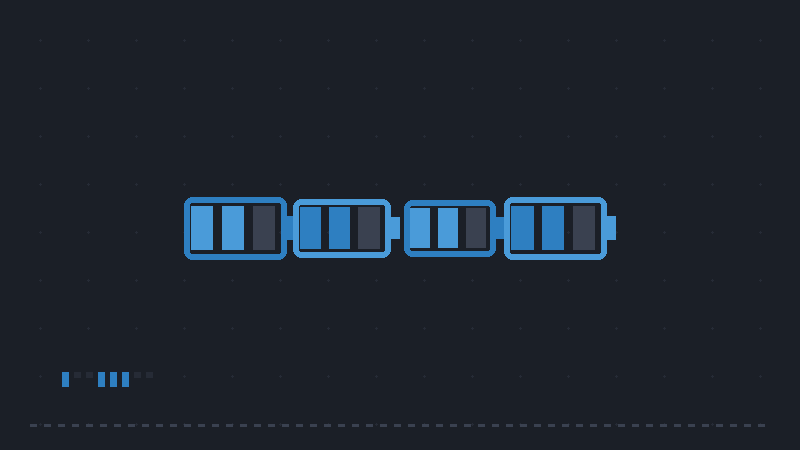
Every battery deployed in the last fifteen years eventually retires, and the metals inside do not degrade. Recovering lithium, nickel, cobalt, and copper from spent cells is cheaper and cleaner than mining equivalent ore, and the first large retirement cohort is arriving now.
Historical context: recycling capacity was built ahead of feedstock, which is an unusual and painful sequence. Facilities were financed on projections of battery retirements that had not yet happened, and several operators struggled while waiting for supply.
The structural driver is regulation plus economics converging. Recycled content mandates are being written into law in major markets, producer responsibility rules assign end of life costs to manufacturers, and material scarcity makes recovered metal genuinely valuable.
The technology layer spans collection and logistics for hazardous material, mechanical shredding to produce black mass, hydrometallurgical and pyrometallurgical recovery, direct cathode recycling that preserves structure, and the sorting AI that separates chemistries.
Adoption economics depend on feedstock cost and metal prices. Manufacturing scrap from battery plants is the best near term feedstock because it is clean, concentrated, and available now, well before consumer batteries retire in volume.
The beneficiaries include recyclers with operating capacity, shredding and separation equipment makers, hydrometallurgical processors, logistics firms handling hazardous transport, and the battery manufacturers securing recycled supply.
The value chain runs from collection through preprocessing to refining and cathode production. Proximity to battery gigafactories matters enormously, since manufacturing scrap is the feedstock that works today.
The overlooked layer includes equipment suppliers for shredding and separation, specialty logistics providers licensed for battery transport, analytical services verifying recovered material purity, and engineering firms building the plants.
Competitive dynamics favor whoever locks up feedstock contracts with battery manufacturers, because the constraint is supply rather than demand for the output.
Risks: feedstock has repeatedly arrived slower than projected, metal price declines compress recovery economics, capital intensity is high, and chemistry shifts away from valuable metals reduce the value of what is recovered.
What to watch: feedstock agreements with battery manufacturers, recycled content mandates and their compliance dates, black mass pricing, and capacity utilization at operating recyclers.
Coverage / Daily Disruptor issues in this sector
September 1, 2026
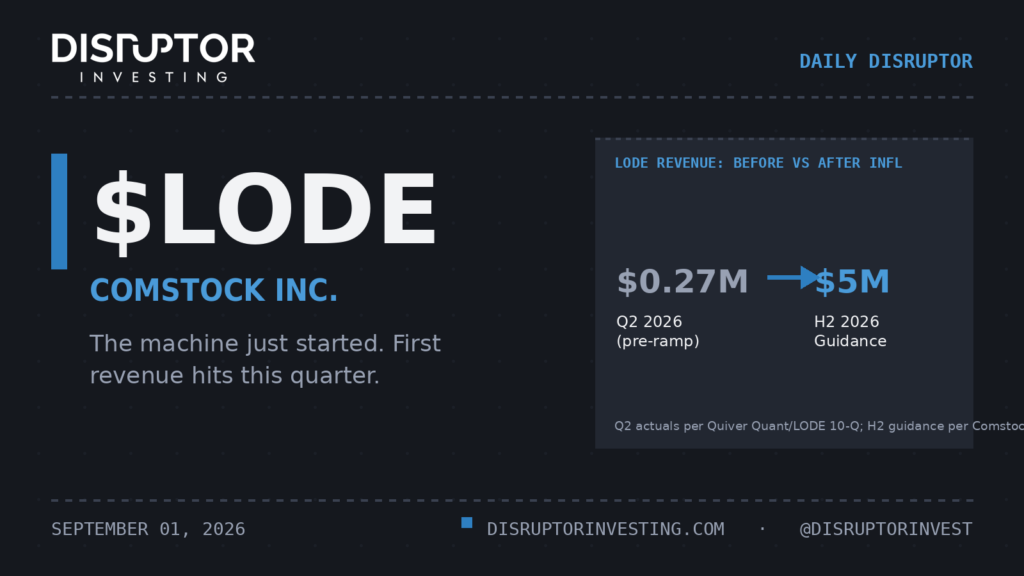
Daily Disruptor: $LODE, North America’s First Certified Solar Recycler Turns On
Comstock's industry scale solar panel recycling plant, North America's first certified zero landfill operation of its kind, just completed full system testing and is targeting its…
Read the issue →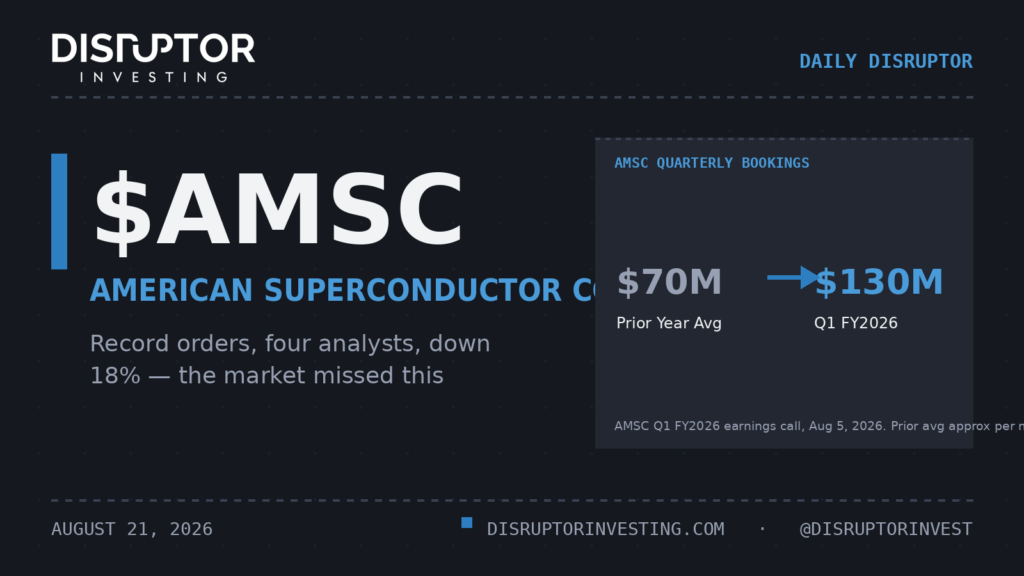
August 21, 2026
Daily Disruptor: $AMSC, Grid Hardware Nobody Is Watching
AMSC booked over $130 million in new grid orders in a single quarter while the stock traded near a twelve month low with only four analysts…
Read the issue →