
← All sectors / The AI transformation
007 · Real estate & construction
Building smarter
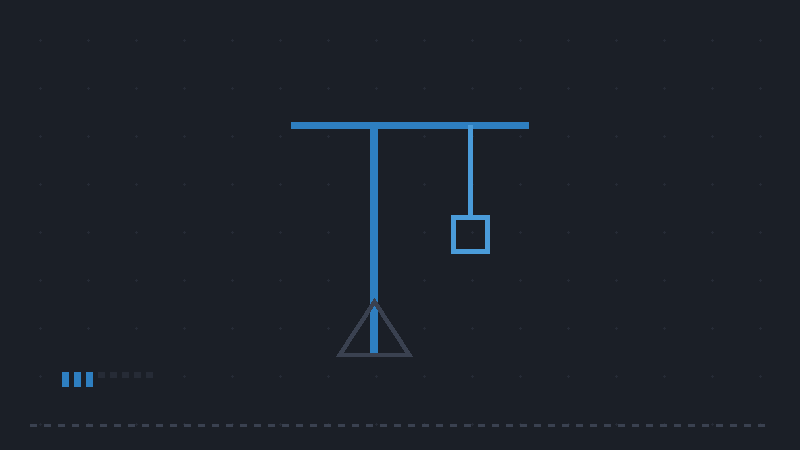
Curve position
Binding constraint
Skilled trades supply and permitting timelines.
Why this sector sits at Liftoff
The constraint in construction was never software, it was financing cost and permitting duration. Both have eased with dated policy and rate changes.
Liftoff, because the easing is real and recent while margins have not yet reflected it.
Reviewed on a two month cycle. The position moves only when a dated, verifiable change in the binding constraint justifies it.
Construction is the largest industry with the flattest productivity curve, decades of stagnation while everything else compounded. AI is the first credible attack on that problem: generative design, automated estimating and permitting, project management copilots, and robotics for surveying and repetitive site work.
Historical context: construction productivity actually declined in some measures over decades while manufacturing productivity multiplied, a gap economists attribute to fragmentation: bespoke projects, and thin technology adoption. That gap is precisely the addressable market AI vendors are attacking.
The prize is proportional to the inefficiency: rework, schedule slip, and coordination failure consume a meaningful share of every project budget. Software that recovers even part of that prices easily against the losses it prevents, and the industry's labor shortage makes augmentation a necessity, not a preference.
Adoption follows the money trail: preconstruction (design, estimating, bidding) digitizes first because errors there are cheapest to fix; field robotics: layout printing: drywall, survey drones. Scales where tasks repeat; and safety monitoring via computer vision sells because insurers discount for it.
On the property side, AI is repricing real estate itself. Valuation models, leasing automation, and building energy optimization change operating economics for owners, while insurers and lenders run the same models to reprice risk, moving capital toward resilient assets and away from exposed ones.
The data center boom has pulled the entire sector into the AI trade directly: land plus power is the most sought after real estate class on earth, and the developers, REITs, contractors, and electrical specialists positioned there are running at capacity with visible multi year pipelines.
The value chain spans design (architects, engineers), preconstruction (estimating, bidding), execution (general and specialty contractors), and operations (owners, facility managers). Software is stitching these long siloed phases together, and the vendors bridging phases capture more than those serving one.
The overlooked layer includes construction software vendors embedded in workflows, engineering and inspection firms feeding the buildout, equipment rental companies monetizing every project regardless of owner, and building products makers whose specification wins compound quietly.
Competitive dynamics favor whoever owns the project's data spine: platforms with the general contractor's workflow pull in subcontractors by gravity. Meanwhile the data center subsector runs on different physics entirely, negotiated mega projects where relationships and electrical expertise decide winners.
Risks: construction is rate sensitive and cyclical; adoption is famously slow among fragmented contractors; robotics face messy, non standard job sites; and commercial real estate's office overhang still weighs on parts of the property complex.
What to watch: data center construction backlogs, construction software seat growth, robotics deployments converting from pilot to standard practice, and insurance pricing for AI monitored sites. The research follows the tools winning on real job sites and the owners positioned where AI demand lands.