
← All sectors / The AI transformation
43 · Medical devices & surgical robotics
Precision at the point of care
Curve position
Nearing take-off
Binding constraint
Clearance timelines and hospital capital budgets.
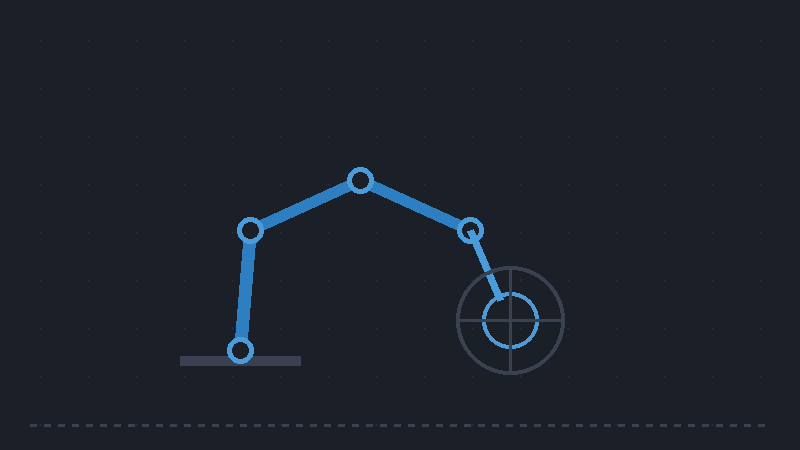
Medicine is still practised with hands and instruments, and that layer is being rebuilt around robotics, imaging, and real-time AI guidance. The result is procedures that are more consistent, less invasive, and increasingly data-generating in ways that compound over time.
Historical context: surgical robotics was a single-company category for years, built on a razor-and-blade model where the system placement drives decades of instrument revenue. Patent expirations and new entrants have opened the field just as AI makes guidance genuinely useful rather than merely mechanical.
The structural driver is workforce and outcomes pressure: surgeon shortages, an aging population needing more procedures, and payment models that penalize complications. Technology that shortens procedures, reduces variability, and shortens recovery pays for itself in throughput and readmission avoidance.
The technology layer spans robotic platforms and instruments, intraoperative imaging and navigation, AI guidance that highlights anatomy and flags risk in real time, connected implants that report their own performance, and the simulation systems used to train surgeons faster.
Adoption economics run through the hospital capital committee: systems are expensive, but the recurring instrument and service revenue makes vendor economics attractive and gives hospitals procedure-volume incentives once placed. Ambulatory surgery centres are the growth channel, buying smaller and cheaper platforms.
The beneficiaries include robotic platform makers, instrument and consumables suppliers, imaging and navigation companies, contract manufacturers serving device firms, and the sterilization and service networks devices require.
The value chain runs from components through device manufacture and regulatory clearance to hospital placement and recurring consumables. Clearance and clinical evidence are the moat; manufacturing is largely outsourced.
The overlooked layer includes device contract manufacturers, precision component and micro-machining suppliers, sterilization services, and small-cap device firms in narrow specialties where a single clearance transforms the business.
Competitive dynamics are consolidating around platforms with installed bases, but ambulatory and international markets remain open to challengers competing on cost and footprint rather than capability.
Risks: regulatory clearance timelines are unpredictable, reimbursement decisions determine adoption, product liability is significant, hospital capital budgets are cyclical, and clinical evidence requirements make commercialization slow and expensive.
What to watch: system placements and procedure volumes, clearance decisions, instrument revenue per placed system, ambulatory adoption rates, and hospital capital spending trends. The research follows recurring revenue per installed base rather than headline system sales.